
Commercial Property Insurance for Long Island Businesses
Whether you own your building or lease your space, your business has physical assets that a single fire, storm, or burst pipe could wipe out. We help Suffolk County businesses get commercial property insurance Long Island NY that reflects what your operation is actually worth — and covers what your landlord's policy never will.
Building Owner or Tenant — Your Coverage Needs Are Different, but the Gap Is the Same
This is the distinction that trips up more small business owners than any other in commercial property insurance. If you own your building, your policy needs to cover the structure itself — walls, roof, systems, and the improvements you've made over the years. If you lease your space, your landlord's policy covers the building. It covers nothing inside it.
A tenant's business personal property — equipment, inventory, furniture, fixtures, and any improvements you've made to the space — is your responsibility to insure. Your landlord is not liable for it, and their carrier will not pay for it. Whether you run a retail shop in Centereach, a service business in Smithtown, or a restaurant in Hauppauge, the exposure is the same: if something happens to the contents of your space and you don't have your own policy, the loss is yours to absorb.
What Commercial Property Insurance Covers
A commercial property policy can be structured to cover a wide range of physical assets depending on whether you own or lease, and what your operation looks like. Core coverage components include:
- Building coverage — the physical structure, permanently installed fixtures, and systems for building owners
- Business personal property (BPP) — equipment, inventory, furniture, tools, and tenant improvements for owners and tenants alike
- Tenant improvements and betterments — upgrades you've made to a leased space that aren't covered by your landlord's policy
- Equipment breakdown — mechanical and electrical equipment failure not caused by a covered peril
- Business interruption coverage — income replacement and continuing expenses during the period of restoration after a covered property loss
- Extra expense coverage — costs incurred to keep operating or resume operations faster after a covered loss
Coverage is typically written on a replacement cost basis — meaning the policy pays what it costs to replace or rebuild at today's prices, not the depreciated value of what was lost. That distinction matters significantly at claim time.
Business Interruption: The Coverage Most Owners Overlook
A fire that destroys your inventory is a serious loss. A fire that destroys your inventory and forces you to close for four months while your space is rebuilt is a different category of problem entirely. Business interruption coverage exists to address the second scenario.
When a covered property loss forces your business to shut down or significantly curtail operations, business interruption coverage replaces the income you would have earned during the restoration period and covers continuing fixed expenses — rent, payroll, utilities, loan payments — that don't stop just because your doors do. It's available as part of most commercial property policies and is a standard component of a business owners policy. If your current commercial account doesn't include it, that's a gap worth addressing before you need it.
Business interruption coverage is one of several reasons a business owners policy may be the right structure for your account. We can walk you through how the two products compare and which fits your situation.
Long Island Property Risks That Affect Your Commercial Rate
Commercial property insurance on Long Island carries exposures that businesses in other parts of the country don't face at the same frequency or severity. Understanding them helps you make better decisions about how your policy is structured.
Named-storm and wind deductibles apply to commercial property policies in coastal markets just as they do for residential coverage. These are separate from your standard deductible and are typically calculated as a percentage of insured value rather than a flat dollar amount. For a business with significant building or contents value, the difference between a $1,000 deductible and a 2% wind deductible is not trivial.
Flood is excluded from standard commercial property policies. If your business is located in a flood zone — or even in an area that experienced flooding during recent storms — that exclusion is a meaningful gap. Separate flood coverage is available through the National Flood Insurance Program and, in some cases, private market carriers. We can review your property's flood exposure and help you determine whether a separate policy makes sense.
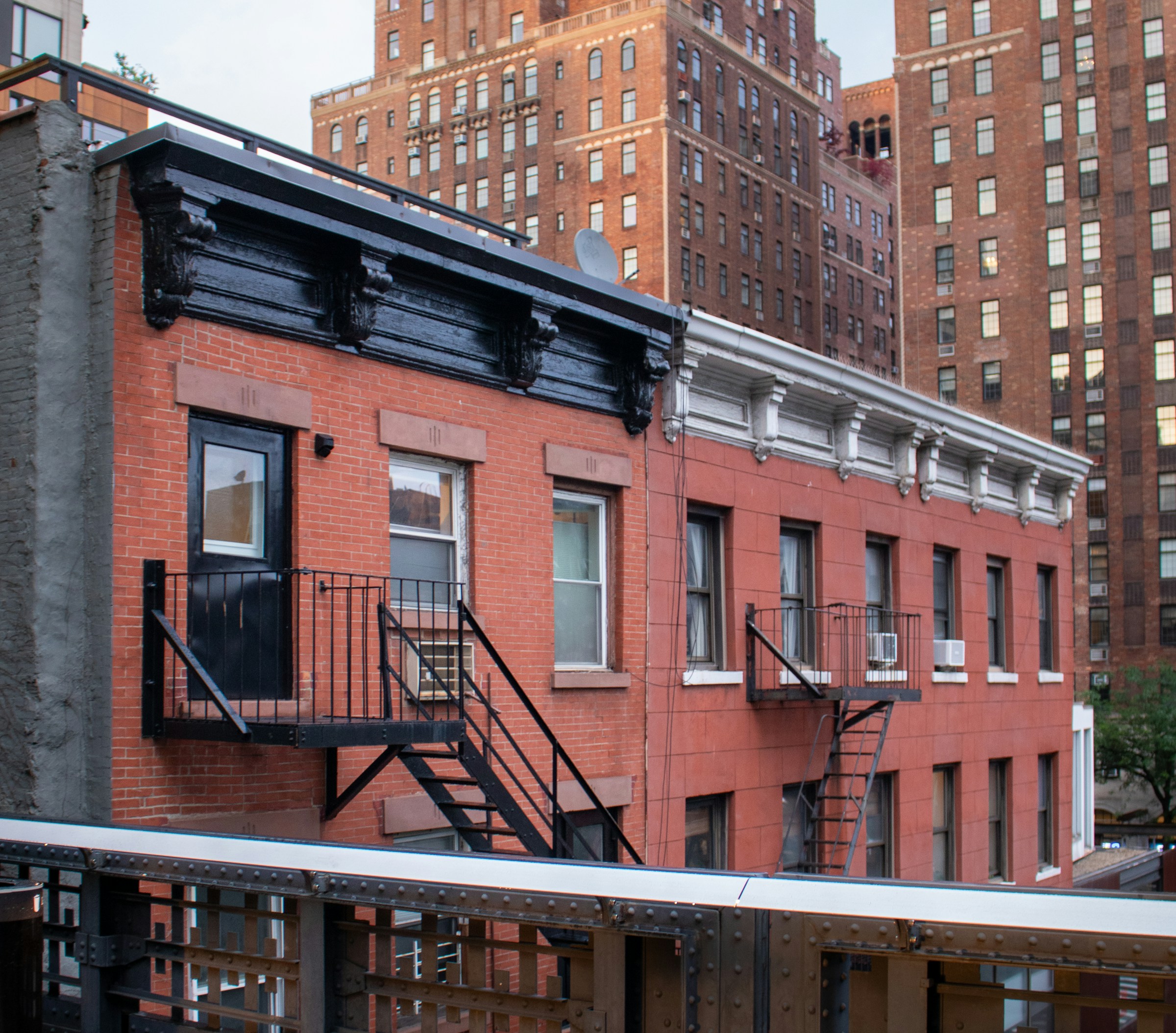
Are Your Insured Values Keeping Up with What Replacement Actually Costs?
Commercial property values have shifted significantly over the past several years. Construction costs, material prices, and equipment replacement costs are all higher than they were when many policies were originally written. If your insured values haven't been reviewed recently, your policy may be covering what your building and contents were worth several years ago — not what it would cost to replace them today.
We review insured values with our commercial clients annually. If your coverage limits are based on original purchase price or haven't been updated to reflect current replacement costs, we'll identify the gap and adjust accordingly. An underinsured property policy doesn't fail at renewal — it fails at claim time, when the difference between what you're covered for and what rebuilding actually costs comes out of your pocket.
Answers to Common Questions About Commercial Property Insurance
My landlord has insurance on the building. Why do I need my own policy as a tenant?
Your landlord's policy covers the building structure — walls, roof, systems, and the property the landlord owns. It does not cover your equipment, inventory, furniture, fixtures, or any improvements you've made to the space. If a covered loss occurs, your landlord's carrier has no obligation to compensate you for your business personal property. That exposure requires your own policy.What is business interruption insurance and is it included in a commercial property policy?
Business interruption coverage replaces lost income and covers continuing fixed expenses — rent, payroll, utilities — when a covered property loss forces your business to close or significantly reduce operations during the restoration period. It is available as part of most commercial property policies and is a standard component of a business owners policy. It is not automatically included in every policy, so it's worth confirming whether your current coverage includes it.Does commercial property insurance cover flood damage?
No. Flood is excluded from standard commercial property policies, just as it is from standard homeowners policies. If your business is in a flood-prone area or has experienced flood exposure, a separate flood insurance policy is necessary to cover that risk. We can help you evaluate your property's flood exposure and find appropriate coverage.What is a named-storm or wind deductible, and how does it affect my commercial property claim?
A named-storm or wind deductible is a separate deductible that applies specifically to losses caused by hurricanes or high-wind events. Unlike a standard flat-dollar deductible, it is typically calculated as a percentage of your insured property value — often 1% to 5%. For a business with substantial building or contents value, this deductible can be significantly higher than your standard deductible and should be factored into how you structure your coverage.How do I know if my commercial property coverage limits are adequate?
The most common sign of underinsurance is coverage limits that haven't been reviewed since the policy was originally written. If your insured values are based on original purchase price, depreciated value, or figures that predate recent increases in construction and equipment costs, your limits may fall short of what it would actually cost to rebuild or replace. We review insured values with our clients annually and flag gaps before they become claim-time surprises.